








Jihlava Hospital Comprehensive Cancer Centre – KOC
Staff
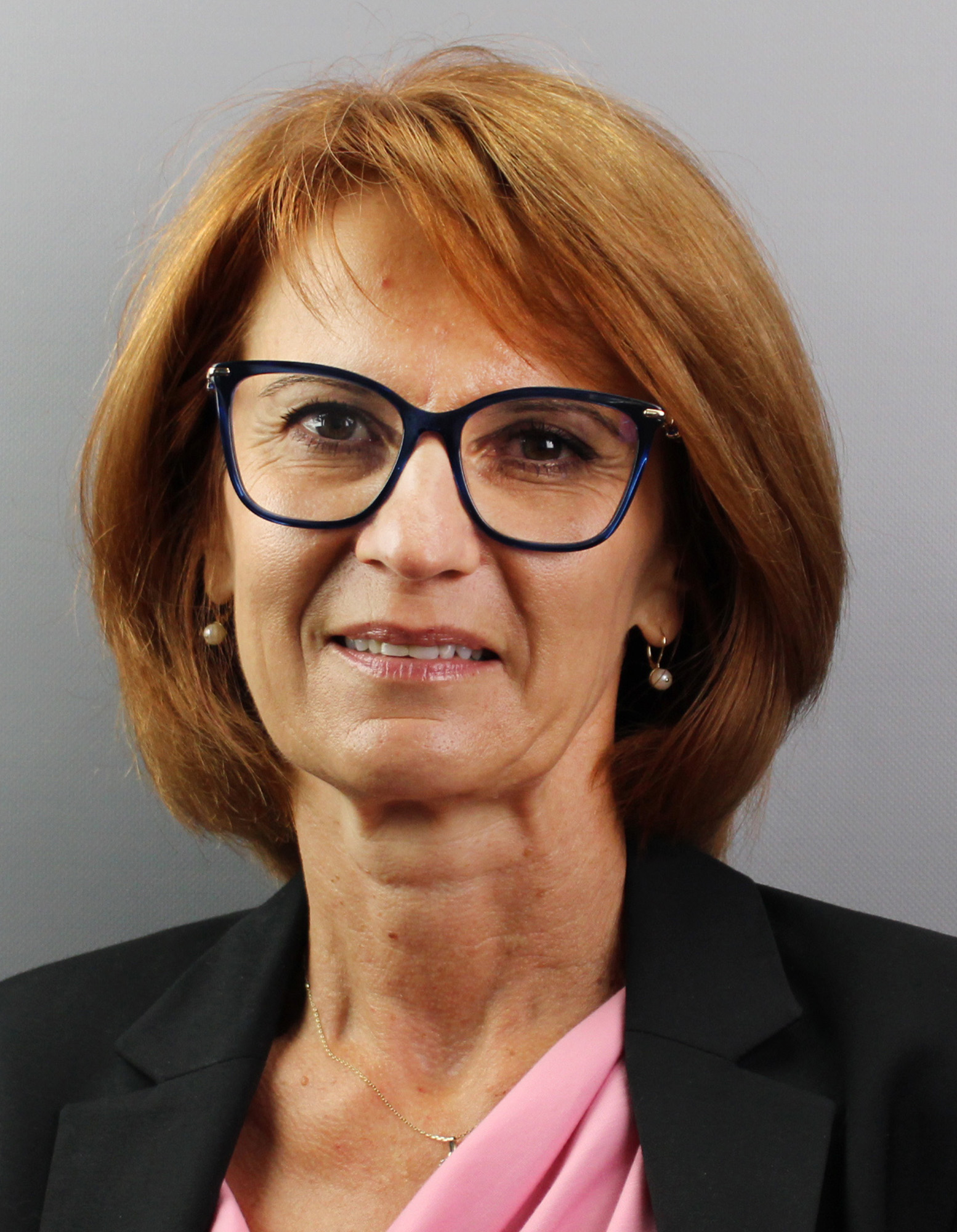
MUDr. Dana Dvořáková
Head doctor

MUDr. Věra Benešová
Deputy head doctor

Contact Information
Comprehensive Cancer Centre of Jihlava Hospital – Significance
The Comprehensive Cancer Centre (KOC) is a key pillar of modern cancer care in the Czech Republic. It provides highly specialised diagnosis and treatment, coordinates care across the region and guarantees the availability of the most advanced therapeutic procedures. The KOC acts as an integrating hub between the patient, specialists and healthcare facilities.
What is a Comprehensive Cancer Centre (CCC)?
A Comprehensive Cancer Centre is a highly specialised, comprehensively equipped facility (usually part of a large university or regional hospital) that has been granted special status by the Ministry of Health of the Czech Republic. This status guarantees that the centre has all the necessary equipment, specialists and technologies to treat even the most complex forms of cancer.
In the Czech Republic, these centres form the backbone of the National Oncology Network. Their goal is for every patient, regardless of where they live, to have access to top-level diagnostics and modern treatment.
Key features of the KOC
1. Multidisciplinary teams: The course of treatment is decided not by one doctor, but by a group of specialists (oncologist, surgeon, radiologist, pathologist and others). Together they look for the best solution tailored to the patient.
2. Modern technology: KOCs have access to the latest radiotherapy equipment (linear accelerators), cutting-edge diagnostics (PET/CT, magnetic resonance imaging) and modern operating theatres.
3. Centre-based treatment: Only these centres may administer so-called biological (targeted) therapy and modern immunotherapy, which is very costly and requires special monitoring.
4. Clinical trials: Systematic scientific and research activity takes place in these centres. Patients can gain access here to state-of-the-art drugs that are only just entering routine practice.
5. Follow-up care: The KOC provides not only surgery or chemotherapy, but also psychological support, rehabilitation and palliative care.
What is the difference between a KOC and an ordinary hospital?
Vlastnost | Standard oncology department | Comprehensive Oncology Centre (COC) |
Type of treatment | Standard chemotherapy, routine operations. | Highly specialised surgery, biological therapy. |
Equipment | Basic diagnostics. | State-of-the-art radiotherapy technology and robotic surgery. |
Decision-making | Attending physician. | Multidisciplinary board (several experts at once). |
Research | Minimal. | Active involvement in international studies. |
Availability of care | Regional, limited complexity. | Centralised, coordinated care linked to the region |
The role of the KOC as the region's integrating centre
The KOC acts as a coordinating and methodological centre for the entire region. It ensures a uniform approach to diagnosis and treatment, coordinates cooperation between hospitals and enables patients to move quickly through the system. At the same time, it serves as the professional guarantor of quality of care within the regional healthcare network.
What the KOC means for patients
For the patient, the KOC means assurance that their treatment is managed by a team of experts and reflects the latest medical knowledge. The patient has access to modern treatment, rapid diagnosis and coordinated care without unnecessary delays.
How cooperation works in practice
The patient is often diagnosed or followed up at their local catchment hospital. If necessary, they are referred to the KOC for a specialised procedure or to have their treatment set up. They then return to the regional facility, where treatment continues under the professional supervision of the KOC.
Specialties within the CCC
Oncology, radiology, surgery, radiation oncology, nuclear medicine, pathology, gynaecology, urology, palliative medicine, psychology and other specialties.
The KOC is a strategic pillar of the region's healthcare stability and a key tool for keeping both patients and specialist staff within the region.
Fotogalerie a videa


